Guides and technical articles on automatic doors in South Africa: sensors, operators, maintenance intervals, load shedding, retrofits and specifying entrances for commercial buildings.
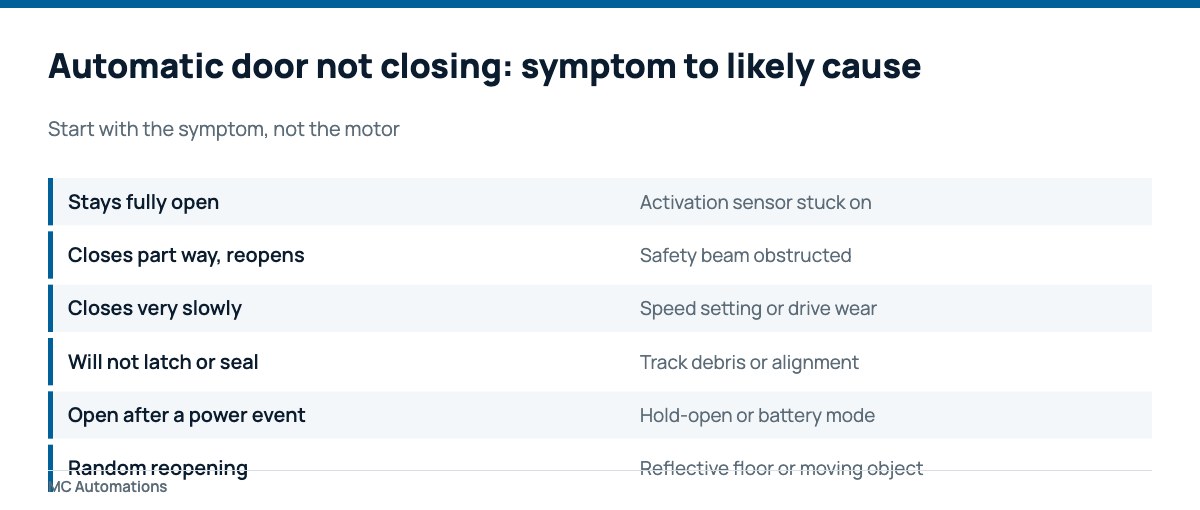
An automatic door not closing is usually a sensor, a track or a setting rather than a failed motor. What to check, what is safe to adjust, and when to call.
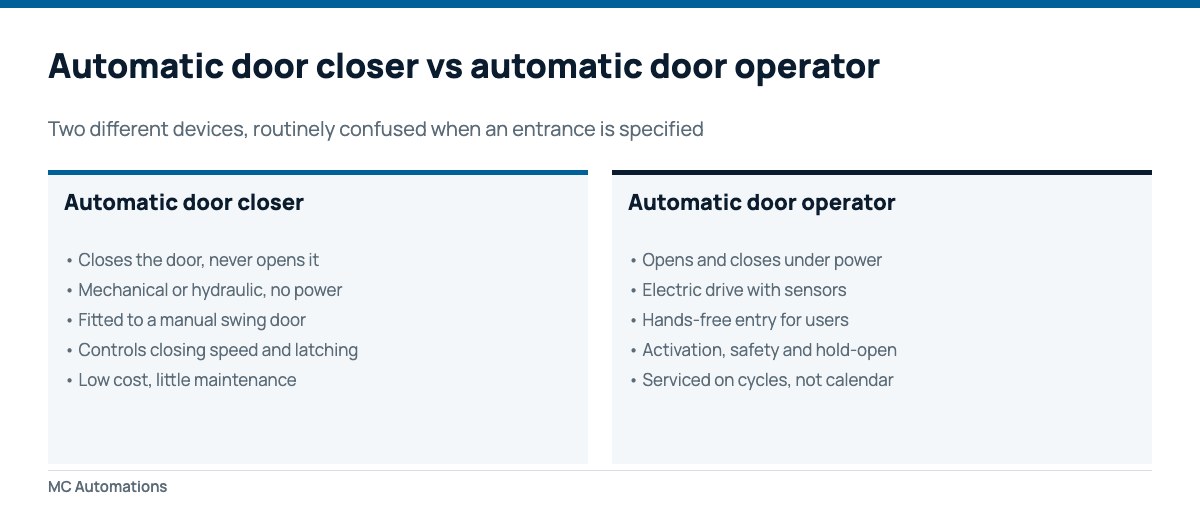
An automatic door closer shuts a door; an operator opens it under power. Which one your entrance needs, what each costs to run, and how to tell them apart.
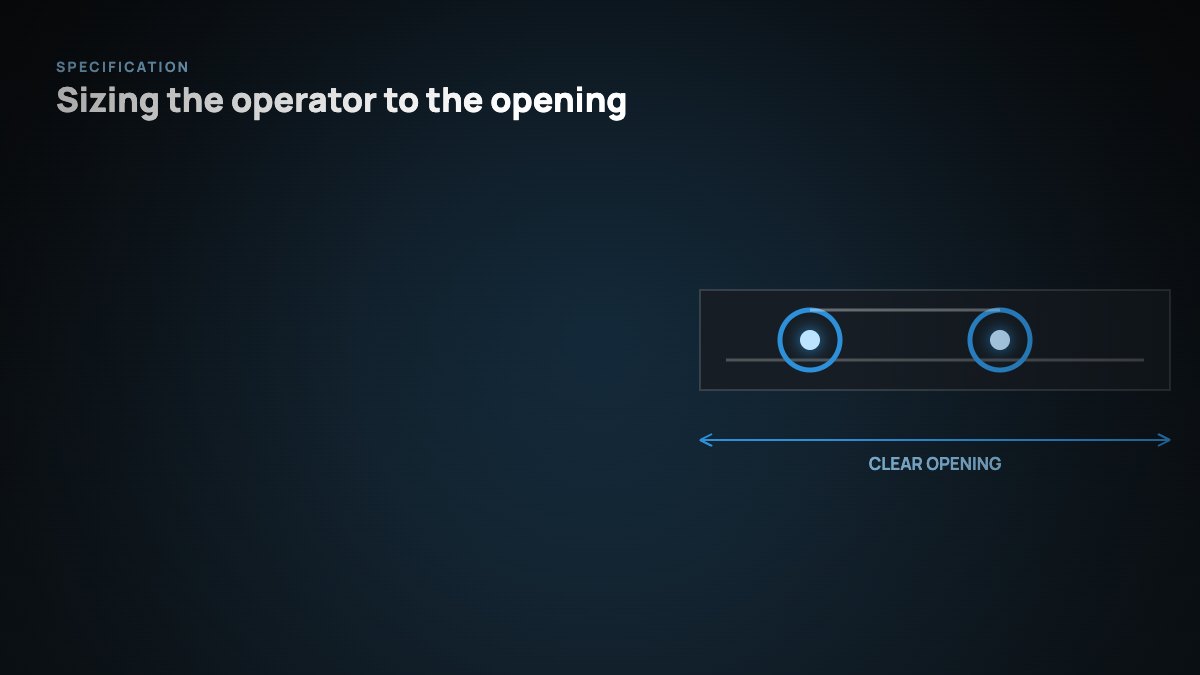
Sizing an automatic door operator: clear opening, leaf weight, configuration and cycles, what the MC-125 and MCW-100 cover, and what undersizing costs you.
In most cases you can automate an existing door rather than replace the entrance — and it is usually the cheaper answer by a wide margin. Keeping sound joinery and adding a drive to it is a fraction of the cost of tearing out a shopfront.
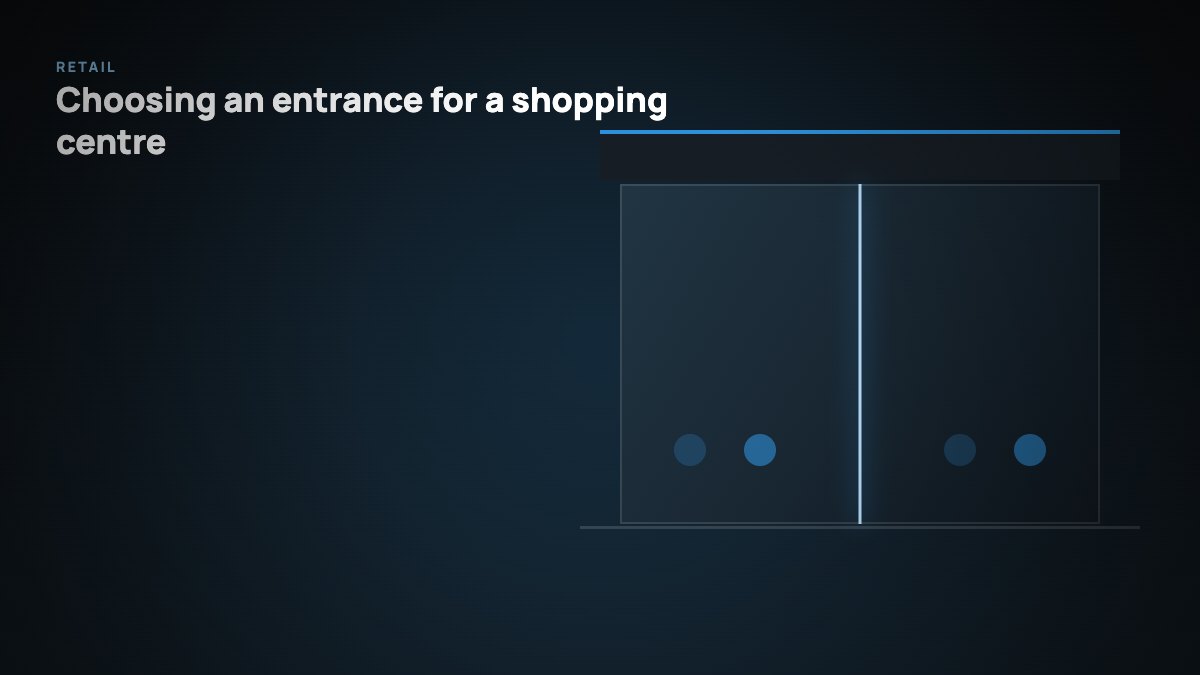
Choosing shopping centre automatic doors: what a retail entrance carries, which door type suits each doorway, what wears first and servicing around trading.
Automatic door maintenance intervals explained: why schedules follow cycles, not the calendar, what a service visit covers and what deferring one costs.
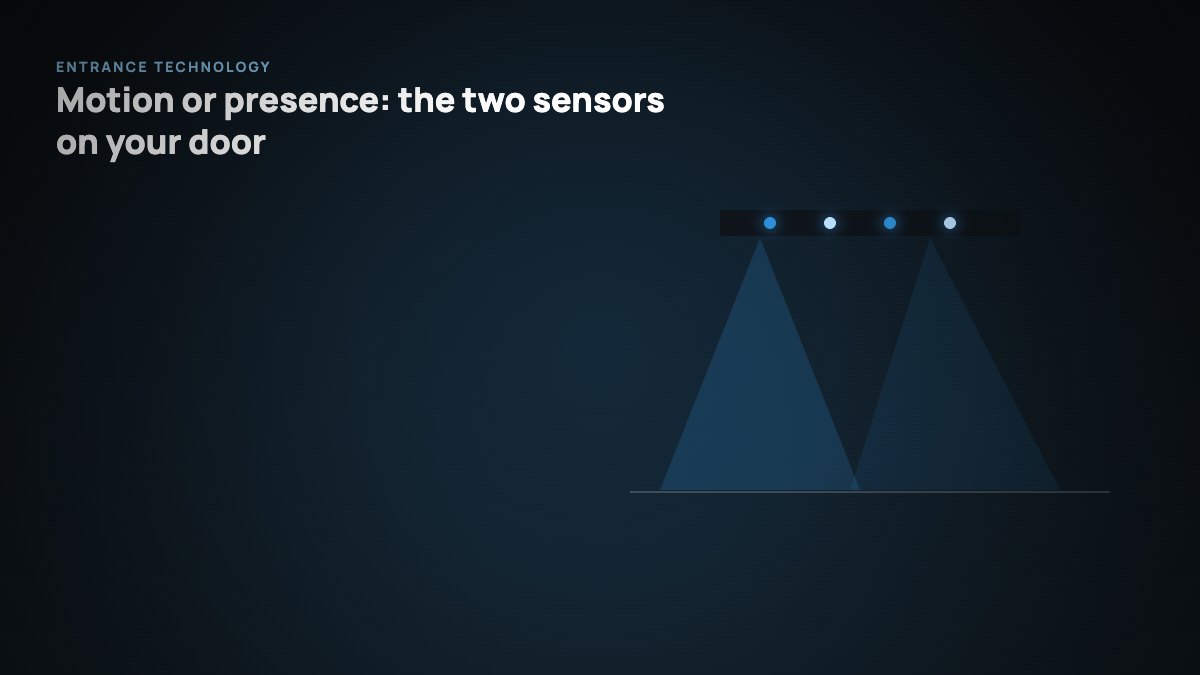
Almost every automatic door has two kinds of automatic door sensors doing two completely different jobs, and confusing them is the single most common reason a door misbehaves — or hurts somebody.
Automatic doors and load shedding is a South African problem with a South African answer. Most automatic door literature is written for countries where mains power is assumed. Here it is not, and that changes how an entrance should be specified — not just what it costs.
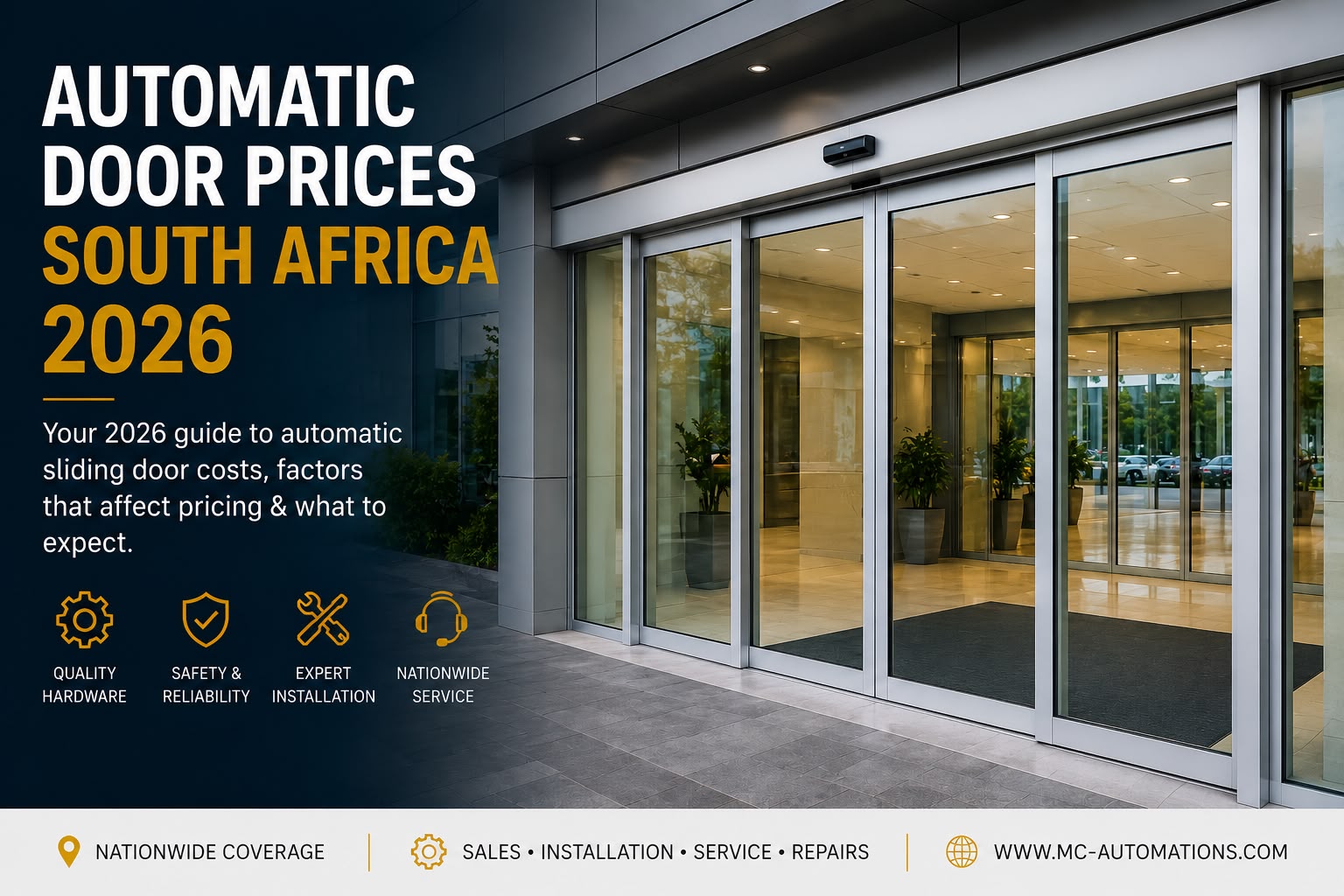
Automatic door prices in South Africa 2026: published starting points from R18,000, what drives the cost, and what quotations leave out. Free guide, excl VAT.